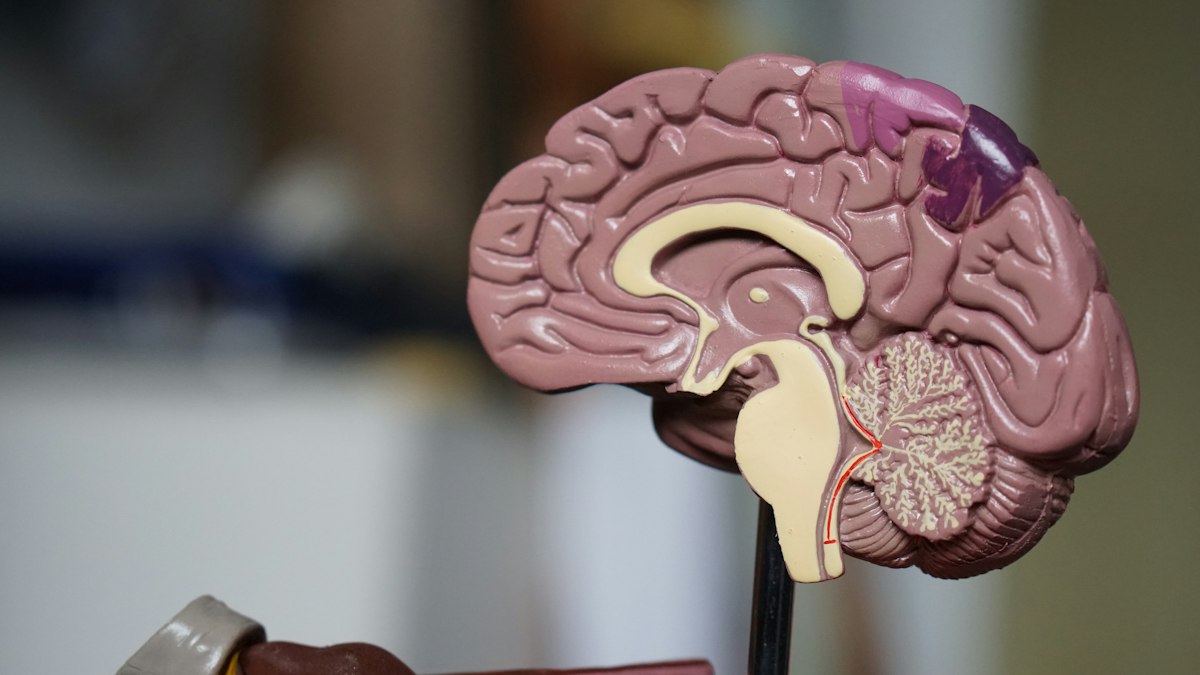
A neurological diagnosis — whether a brain tumour, aneurysm, epilepsy, or movement disorder — demands the very best surgical care. India's neurosurgery centres offer precisely that: Gamma Knife radiosurgery, intraoperative MRI, neuro-navigation, and awake brain surgery — at costs 70–90% lower than the United States or United Kingdom, and with no NHS-style waiting lists.
Indian neurosurgeons are among the most respected in the world. Many trained at Johns Hopkins, Oxford, Harvard, and the Cleveland Clinic before returning to lead outstanding departments at Apollo, AIIMS, Fortis, and Manipal. For patients from Nigeria, UAE, Kenya, Bangladesh, and Uzbekistan facing a brain tumour or complex neurological condition, India represents a realistic path to world-class care that would otherwise be financially impossible.
This guide covers every neurosurgical procedure available in India, exact cost comparisons, the best hospitals for each condition, how the patient journey works, and what indiCare provides — free of charge — to make the process manageable from overseas.
Cost of Neurosurgery in India vs the World
The cost savings for neurosurgery in India are among the largest of any medical category. A brain tumour removal that costs $100,000 in the United States or $50,000 in the UK can be performed to the same standard in India for $8,000–$15,000. Below are detailed cost comparisons across the main neurosurgical procedures:
| Procedure | USA | UK | UAE | India | Saving |
|---|---|---|---|---|---|
| Brain Tumour Removal (microsurgery) | $70,000–$150,000 | $40,000–$80,000 | $30,000–$60,000 | $6,000–$15,000 | Up to 90% |
| Gamma Knife Radiosurgery | $30,000–$60,000 | $20,000–$40,000 | $18,000–$30,000 | $5,000–$10,000 | Up to 83% |
| Deep Brain Stimulation (DBS) | $100,000–$150,000 | $60,000–$90,000 | $50,000–$80,000 | $15,000–$25,000 | Up to 83% |
| Epilepsy Surgery | $80,000–$150,000 | $40,000–$80,000 | $35,000–$60,000 | $8,000–$18,000 | Up to 88% |
| Cerebral Aneurysm Clipping / Coiling | $60,000–$120,000 | $35,000–$70,000 | $28,000–$55,000 | $7,000–$15,000 | Up to 88% |
| Hydrocephalus (VP Shunt / ETV) | $40,000–$80,000 | $20,000–$40,000 | $18,000–$35,000 | $5,000–$9,000 | Up to 88% |
| AVM & Cavernoma Treatment | $80,000–$200,000 | $45,000–$90,000 | $40,000–$80,000 | $8,000–$20,000 | Up to 90% |
⚠ Important Note on Cost Estimates
Neurosurgery costs vary significantly based on tumour size, location, and type; whether ICU care is needed; the hospital chosen; and the surgeon's seniority. The figures above are indicative ranges. indiCare provides personalised cost estimates based on your specific MRI and reports — typically within 24 hours.
Neurosurgical Procedures Available in India
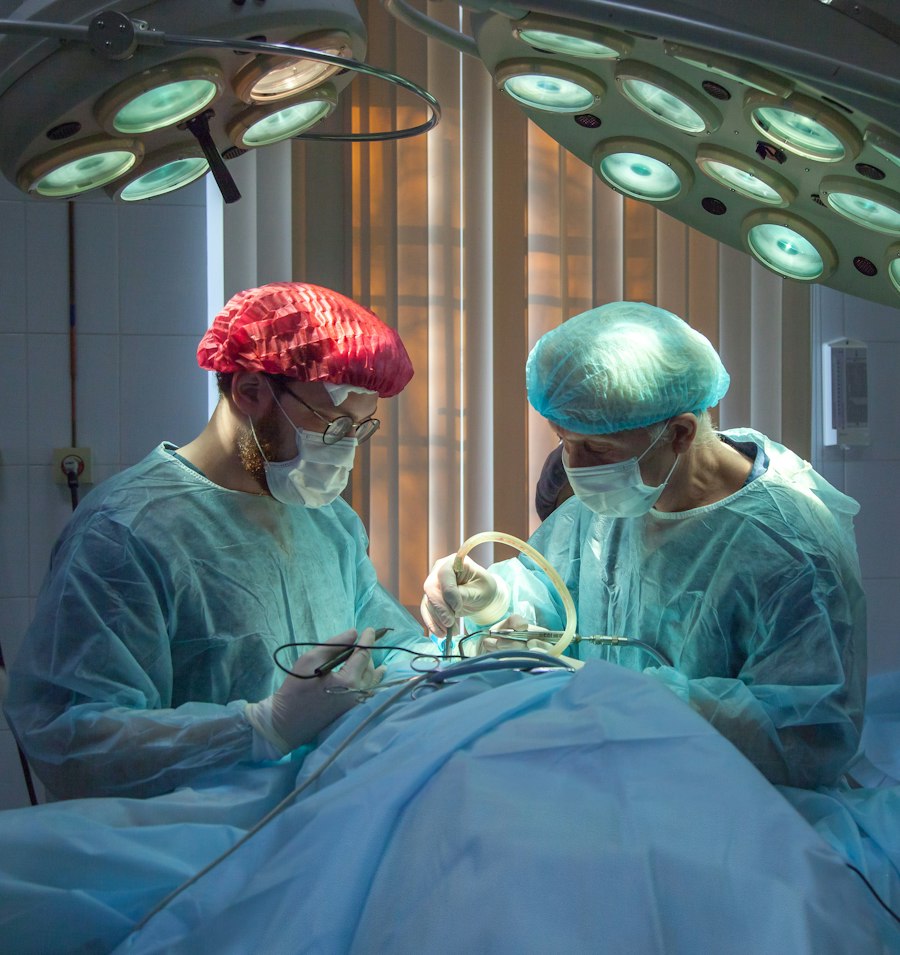
India's top neurosurgery centres use intraoperative MRI, neuro-navigation systems, and fluorescence-guided surgery — the same technologies as leading US and European centres.
Brain Tumour Surgery
Microsurgical removal of primary brain tumours (glioma, meningioma, acoustic neuroma, pituitary adenoma) and metastatic brain tumours. Awake craniotomy is available for tumours adjacent to speech and motor areas, allowing real-time monitoring of function during resection.
India: $6,000–$15,000 | USA: $70,000–$150,000
Gamma Knife Radiosurgery
Non-invasive stereotactic radiosurgery for brain tumours, arteriovenous malformations, trigeminal neuralgia, and metastases. No incision required. Leksell Gamma Knife units are available at Apollo Chennai, Fortis Gurugram, and Manipal Bangalore. Typically an outpatient procedure.
India: $5,000–$10,000 | USA: $30,000–$60,000
Deep Brain Stimulation (DBS)
Electrode implantation into specific brain regions for Parkinson's disease, essential tremor, dystonia, and OCD. India uses the same Medtronic and Abbott DBS devices as the USA and Europe. India is one of the most affordable DBS destinations globally with outcomes matching international benchmarks.
India: $15,000–$25,000 | USA: $100,000–$150,000
Epilepsy Surgery
Resective surgery (temporal lobectomy, lesionectomy), corpus callosotomy, and vagus nerve stimulation for drug-resistant epilepsy. Comprehensive pre-surgical evaluation including video-EEG monitoring, fMRI, PET-CT, and neuropsychological testing available at dedicated epilepsy centres.
India: $8,000–$18,000 | USA: $80,000–$150,000
Cerebral Aneurysm Treatment
Surgical clipping (open craniotomy) or endovascular coiling for ruptured and unruptured brain aneurysms. Flow diverter stenting available for wide-necked aneurysms. Interventional neuroradiology teams are available at Apollo, Fortis, and Medanta for minimally invasive treatment.
India: $7,000–$15,000 | USA: $60,000–$120,000
Hydrocephalus Treatment
Ventriculoperitoneal (VP) shunt placement or endoscopic third ventriculostomy (ETV) for hydrocephalus in adults and children. Paediatric neurosurgery expertise is available at AIIMS, CMC Vellore, and Manipal. ETV is preferred in children over 6 months where anatomy allows.
India: $5,000–$9,000 | USA: $40,000–$80,000
Best Neurosurgery Hospitals in India
Not all Indian hospitals have the same neurosurgical capability. For complex brain tumour surgery, Gamma Knife, or deep brain stimulation, you need a centre with the right equipment, the right volume, and a dedicated international patient team. These are the six centres indiCare most frequently works with for neurological cases:
"My father had a meningioma the size of a golf ball. In the UAE we were quoted $85,000. indiCare connected us to Apollo Chennai — the surgery was $11,000, the surgeon was outstanding, and my father was discharged in 8 days. He is fully recovered." Mr. Usman K., Dubai — Father of brain tumour patient, Apollo Chennai, 2025
How the Patient Journey Works
indiCare's dedicated coordinators accompany patients throughout the consultation and admission process — from airport arrival to discharge.
The process of arranging neurosurgery in India from overseas is more straightforward than most families expect — especially when managed by an experienced facilitator. Here is how indiCare handles it, step by step:
Step 1 — Share your reports. Send your MRI scans (brain with and without contrast), CT scans, biopsy results (if available), operative reports, and any existing treatment records to indiCare. Radiology images should be in DICOM format where possible, but high-quality photos of films are acceptable for an initial review.
Step 2 — Neurosurgeon review and second opinion. indiCare sends your reports to a matched senior neurosurgeon at the recommended centre. Within 48–72 hours, you receive a written opinion on the diagnosis, recommended procedure, expected outcome, and a cost estimate. For complex cases, we can arrange a video teleconsultation with the neurosurgeon before you travel.
Step 3 — Medical visa. India's medical (e-MED) visa is available online and processes in 5–7 business days. You will need the hospital invitation letter, which indiCare provides, plus your passport, medical reports, and proof of funds. Companions accompanying the patient can apply for a medical attendant visa simultaneously.
Step 4 — Travel and admission. Your indiCare coordinator meets you at the airport. They accompany you to the hospital for registration, pre-operative assessment, and surgeon consultation on day one. Surgery is typically scheduled 2–4 days after arrival, allowing time for any additional imaging the neurosurgeon may require.
Step 5 — Surgery and recovery. ICU care following brain surgery is typically 1–3 days. Ward stay is usually 4–10 days depending on the procedure and recovery. indiCare's coordinator visits daily during your hospital stay. Before discharge, the surgeon provides detailed post-operative instructions and arranges follow-up video consultations.
✔ What indiCare Provides — Free of Charge
- Review your MRI and neurological reports and match you to the right neurosurgeon
- Arrange second-opinion teleconsultation with the neurosurgeon before travel
- Provide hospital invitation letter for medical visa application
- Coordinate airport pickup and accommodation near the hospital
- Assign a dedicated coordinator throughout your hospital stay
- Coordinate post-discharge video consultations and rehabilitation guidance
- Assist with follow-up communication between your home doctor and the Indian team
Why India for Neurosurgery? Key Facts
The technology is the same. India's top neurosurgery centres use Leksell Gamma Knife units, Brainlab and Stryker neuro-navigation systems, Zeiss KINEVO operative microscopes, and intraoperative MRI — the same equipment used at Johns Hopkins, Mayo Clinic, and Great Ormond Street. The difference is not the tools; it is the cost of the healthcare system around them.
The surgeons trained internationally. Many of India's senior neurosurgeons completed fellowships at world-leading institutions — Cleveland Clinic, Johns Hopkins, the National Hospital for Neurology in London, and University of Toronto — before returning to India. Their training and outcomes data are comparable to their Western counterparts.
No waiting lists. In the UK, NHS neurosurgery waiting times for non-emergency brain tumour cases can stretch to weeks or months. In India, once your reports are reviewed and a surgical slot is confirmed, surgery can be scheduled within days of your arrival.
Volume and experience. India's largest neurosurgery centres perform extremely high volumes of cases — AIIMS and Apollo Chennai each perform thousands of craniotomies annually. High surgical volume is consistently associated with better outcomes in complex neurosurgery.
Frequently Asked Questions
How much does brain tumour surgery cost in India?
Brain tumour removal surgery in India costs $6,000–$15,000 at accredited hospitals — compared to $70,000–$150,000 in the USA or $40,000–$80,000 in the UK. The exact cost depends on the tumour type, size, location, and whether the procedure uses open microsurgery or Gamma Knife radiosurgery.
Is Gamma Knife radiosurgery available in India?
Yes. Leksell Gamma Knife units are available at Apollo Chennai, Fortis Gurugram, Manipal Bangalore, and several other major centres. Gamma Knife radiosurgery is typically an outpatient or day-case procedure with no surgical incision. It is used for small-to-medium sized tumours, AVMs, trigeminal neuralgia, and brain metastases.
How long is the hospital stay for brain surgery in India?
Hospital stay after brain tumour surgery is typically 7–14 days total, including 1–3 days in the ICU. After discharge, most patients remain in India for a further 5–7 days before flying home. Your neurosurgeon will confirm whether you are fit to travel by air based on your recovery.
Is awake craniotomy available in India?
Yes. Awake craniotomy — where the patient is kept conscious during tumour removal to allow real-time monitoring of speech and motor function — is available at Apollo Chennai, Medanta Gurugram, Fortis Gurugram, and Manipal Bangalore. It is the gold standard for tumours near eloquent brain areas.
How quickly can surgery be scheduled?
Unlike NHS or many public healthcare systems, India's private hospitals have no waiting lists for neurosurgery. Once your MRI and reports are reviewed and a surgical slot confirmed, surgery can typically be scheduled within 3–7 days of your arrival in India. indiCare pre-arranges the surgical slot before you travel.
Does indiCare charge for neurosurgery facilitation?
No. indiCare's services are completely free of charge to the patient. We are paid by our hospital partners. You pay only the hospital directly — no agency fees, no hidden charges, no commissions added to your bill.